Design Daily Signal: Creator & Fan Guide
A practical playbook for turning scattered posts, streams, clips, premieres, and fandom rituals into a recognizable daily signal audiences can spot, share, remix, and anticipate.
 Marek DvořákSenior product reviewer
First published 7/8/2026 · last revised 8/6/2026 with fresh sources, corrections, and new context. Reader corrections are reviewed and folded into future versions.
Summary
A Design Daily Signal is the repeatable cue that tells an audience, ‘Something worth noticing happens here.’ It can be a visual package, posting ritual, recurring segment, notification rhythm, catchphrase, sound sting, thumbnail grammar, or community prompt. Marvel’s opening fanfare, Nintendo Direct’s familiar presentation style, YouTube premiere countdowns, Twitch emotes, anime opening sequences, and a streamer’s dependable pre-show ritual all perform versions of the same job: they convert attention into anticipation. For creators, the goal is not to publish every day at any cost. It is to design a recognizable promise that can survive platform shifts, production crunches, fandom debates, and changing formats. This CineMind guide explains how to build that promise around consistency, participation, emotional payoff, and sustainable production—without turning your channel into an exhausted content factory.
Key takeaways
- A daily signal is a recognizable audience promise, not merely a daily upload schedule.
- Strong signals combine identity, timing, format, and payoff: viewers should know who made it, when to expect it, what shape it takes, and why it matters.
- Recurring segments, visual systems, sound cues, catchphrases, emotes, and fan prompts reduce the mental effort required to recognize and join your content.
- Consistency should apply to the experience before it applies to frequency; a reliable weekly show can create a stronger habit than seven disposable posts.
- Participation turns viewers into stakeholders. Polls, predictions, remixes, watch-alongs, fan art, and chat rituals help communities co-author the signal.
- Measure returning viewers, retention, direct traffic, saves, shares, chat participation, and fan-made responses—not only views.
- Build a minimum viable signal that can run during busy weeks, game launches, convention travel, illness, or production delays.
- Protect audience trust with clear sponsorship labels, spoiler warnings, moderation rules, boundaries, and realistic promises.
Explain like I'm 5
Imagine a movie theater with a special light that switches on before every awesome show. Fans see the light and immediately know what is coming, when it starts, and how to join the fun. A creator’s daily signal works the same way. Maybe it is a red thumbnail border, a five-second theme, ‘Lore Drop Friday,’ a nightly chat question, or an emote everyone posts when the stream begins. The signal does not have to appear literally every day. It simply needs to return often enough—and consistently enough—that people recognize it. The best version is easy for the creator to make and fun for fans to repeat. If viewers can imitate it, quote it, remix it, or explain it to a friend, the signal is becoming culture rather than decoration.
Deep dive
The signal behind the spectacle
Pop culture runs on entrances. The studio logo dims, the Nintendo Direct countdown starts, an anime opening hits its first chord, or a streamer’s chat floods with a signature emote. Before the main event delivers information, the audience receives a cue: pay attention now. A Design Daily Signal is that cue turned into a repeatable creator system. It joins four elements: identity, cadence, format, and reward. Identity makes it unmistakably yours. Cadence teaches people when it returns. Format makes the experience legible. Reward answers the ruthless fan question: why come back? The word ‘daily’ describes habitual recognition more than mandatory frequency. A weekly movie breakdown released every Thursday at 7 p.m. can become part of a fan’s daily media life because its clips, quotes, theories, and discussions circulate between episodes. By contrast, random daily uploads may create volume without memory.
Build the audience promise first
Start with one sentence: ‘When fans see this signal, they can expect…’ Finish it with a concrete emotional and practical reward. Examples include ‘a spoiler-safe explanation of today’s biggest trailer,’ ‘one tactical lesson from last night’s ranked matches,’ or ‘a five-minute anime detail worth rewatching.’ Specificity beats grandiosity. Next, define your minimum viable edition—the version deliverable when travel, edits, game patches, or real life attack the schedule. A livestreamer might use a 45-second opening monologue, one recurring chat poll, and a closing raid ritual. A YouTuber could standardize a thumbnail frame, cold open, chapter pattern, and pinned question. A fandom account might publish a daily screenshot challenge using one template. Design the premium version later. If the basic signal needs ten hours, three editors, and perfect news conditions, it is a season finale pretending to be a format.
Make recognition nearly instantaneous
Fans scroll at hyperspeed, so recognition must happen before explanation. Choose a compact identity kit: two dominant colors, one headline type style, a repeatable composition, a short sonic tag, and a verbal cue. Do not clone another creator’s thumbnail face, anime typography, or franchise iconography; recognizable is not the same as derivative. Build templates for vertical video, widescreen, livestream holding screens, community posts, and spoiler cards. Maintain accessibility: readable contrast, captions, restrained flashing, descriptive alt text where supported, and sound-independent meaning. On YouTube, recurring titles and thumbnail grammar can link episodes without making them visually identical. On Twitch, overlays should support gameplay rather than swallow it. On TikTok, Shorts, and Reels, the first frame must communicate topic and stakes even when muted.
Turn spectators into co-stars
The strongest signals create a role for fans. Give the audience a repeatable action: vote on tomorrow’s matchup, post a prediction before the trailer analysis, submit fan art, clip a clutch moment, rank an anime arc, or deploy an emote at a precise beat. Keep the participation ladder broad. A lurker can tap a poll; a regular can comment; a superfan can create a remix or moderate an event. Close the loop by showing the outcome. Reveal poll results, feature selected theories with permission, credit fan artists, and explain how feedback shaped the next episode. This converts participation from unpaid suggestion-box labor into visible cultural authorship. Establish rules early: what may be submitted, whether spoilers are permitted, how work will be credited, and whether entries could appear in monetized content.
Program the rhythm like a release slate
Think like a studio programming a franchise, not a machine feeding an algorithm. Use three layers. The anchor is the dependable flagship: a Friday livestream, Monday lore video, or nightly recap. Satellites are clips, polls, memes, and behind-the-scenes posts that extend the anchor. Events are occasional spikes: game-launch marathons, trailer emergencies, award-show watch-alongs, anime-finale debates, or subscriber milestones. Publish a simple schedule in channel banners, Discord announcements, descriptions, or pinned posts. Leave room for surprise, but label changes quickly. Spoiler-heavy communities should use explicit windows—such as ‘spoilers after 72 hours’—rather than relying on unwritten etiquette. Predictability creates ritual; flexibility keeps the ritual alive when entertainment news detonates at midnight.
Measure whether the signal is becoming culture
Raw reach tells you who passed the billboard; return behavior tells you who joined the club. Track returning viewers, average view duration, retention around recurring segments, repeat chatters, direct visits, notification clicks, saves, shares, Discord participation, and the number of fan-made clips or posts. Compare episodes by format and promise, not only by topic size. A giant trailer may inflate views while a modest recurring segment builds more loyal viewers. Use platform analytics alongside a lightweight monthly fan survey: What do people recognize first? Which ritual would they miss? What feels repetitive? Test one variable at a time—opening length, release time, title pattern, or prompt—so results remain interpretable. After six to eight editions, keep recognizable assets, cut costly elements with weak payoff, and refresh the reward before the identity. Your signal succeeds when fans can detect it without your username and describe its value without quoting your bio.
- 1927The Jazz Singer accelerates synchronized sound cinema, demonstrating how audio motifs and voices can become powerful identifiers alongside images.
- 1981MTV launches in the United States on August 1, packaging music videos with station IDs, VJs, and recurring visual cues that shape youth-media rhythm.
- 1997Netflix is founded as a DVD rental company; its later streaming model helps normalize on-demand release rituals and interface-driven discovery.
- 2005YouTube is founded, lowering the barrier to episodic creator programming, recognizable channel formats, and direct audience feedback.
- 2011Twitch launches after emerging from Justin.tv, making live chat, subscriptions, emotes, raids, and recurring broadcasts central to participatory entertainment.
- 2013The first Nintendo Direct of the modern global era expands a recurring, branded presentation format that lets fans anticipate announcements outside traditional expos.
- 2016TikTok’s predecessor Douyin launches in China; short-form recommendation systems soon intensify demand for immediate hooks and repeatable creator formats.
- 2020Pandemic-era watch parties, virtual conventions, livestreams, and social games accelerate remote fandom rituals and community-led entertainment events.
- 2023YouTube reports more than 2 billion logged-in monthly users watching Shorts, underscoring how short-form satellites can feed larger creator ecosystems.
Glossary
- Daily signal
- A repeatable cue and audience promise that makes a creator’s content recognizable and worth returning to; it need not be published literally every day.
- Cadence
- The dependable timing or sequence of releases, such as weekday clips supporting a weekly livestream.
- Format grammar
- The recurring structural rules viewers learn, including cold opens, chapters, title patterns, transitions, and closing prompts.
- Sonic logo
- A brief, distinctive sound used to identify a creator, show, studio, or recurring segment.
- Participation ladder
- A range of audience actions from low effort, such as voting, to high effort, such as making fan art or moderating events.
- Anchor content
- The flagship recurring program around which smaller clips, posts, and community interactions are organized.
- Content satellite
- A smaller asset—clip, meme, Short, poll, quote, or recap—that extends an anchor program to another context or platform.
- Retention
- A measure of how long viewers continue watching or where they leave, often visualized as an audience-retention curve.
- Parasocial relationship
- A one-sided sense of intimacy an audience member may feel toward a media personality who does not know them personally.
- Spoiler window
- A published period during which plot details must be hidden, tagged, or reserved for designated discussions.
FAQs
Does a daily signal require daily posting?+
No. It requires dependable recognition. Choose the highest frequency you can sustain without degrading quality, health, or trust. Weekly and seasonal signals can become powerful rituals.
What is the best signal for a new creator?+
Start with one named recurring segment, one visual cue, one audience prompt, and one realistic release slot. Run it for six to eight editions before making major conclusions.
Should every platform use identical content?+
No. Preserve the promise and identity while adapting delivery. A YouTube essay can become a vertical argument, a Twitch discussion, a Discord poll, and a still-image spoiler card.
How often should branding change?+
Refresh when recognition is weak, accessibility suffers, or the reward has evolved. Avoid constant redesigns; audiences need repetition before visual assets can accumulate meaning.
Which metric matters most?+
No single metric is decisive, but returning viewers is a strong north star. Pair it with retention, direct traffic, saves, shares, repeat chat participation, and qualitative fan feedback.
How can creators use fan submissions safely?+
Publish submission terms, request permission, credit contributors, explain possible commercial use, avoid misleading rights claims, and create a removal-contact process. Seek legal advice for major campaigns.
How should spoiler-heavy channels design their signal?+
Use standardized spoiler cards, separate thumbnails, clear title labels, chapter warnings, and a public spoiler window. Do not place major reveals in unhideable text or opening frames.
Can a small community create a strong signal?+
Yes. Small groups often form rituals faster because members recognize one another. Optimize for meaningful repeat participation before chasing mass reach.
What if the format stops growing?+
Separate reach problems from loyalty problems. Test packaging and distribution if returning viewers remain strong; revise the core reward if regulars are also losing interest.
Predictions
- Creator signals will become more modular: one live anchor will generate platform-native clips, interactive polls, newsletters, podcasts, and community quests rather than simple reposts.
- AI-assisted editing, captioning, translation, moderation, and asset resizing will make high-frequency formats easier, but distinctive human judgment will become more valuable as generic output multiplies.
- Synthetic media disclosures and provenance cues will become part of trusted creator branding, especially for movie leaks, game footage, celebrity audio, and fan-made trailers.
- Fandom programming will grow more event-like, with synchronized watch-alongs, live prediction markets without monetary stakes, alternate-reality clues, and community unlocks.
- Private and semi-private communities—Discord servers, memberships, group chats, and subscriber spaces—will matter more as creators seek durable relationships beyond volatile recommendation feeds.
- Accessibility will shift from compliance feature to creative advantage as captions, transcripts, audio description, readable graphics, and multilingual releases expand discovery.
Risks
- Burnout: an overambitious cadence can turn a beloved ritual into a production treadmill. Maintain a low-cost edition and schedule dark periods.
- Algorithm dependence: a signal built entirely around one feed can vanish after a policy or recommendation change. Build direct channels such as email, memberships, or community servers.
- Parasocial overreach: language implying ownership, exclusivity, or constant availability can blur boundaries. State response limits and protect private life.
- Fan exploitation: unpaid submissions can become extractive when commercial use, credit, and consent are unclear. Publish fair rules and obtain permission.
- Copyright and trademark exposure: film clips, music, game assets, anime footage, and franchise logos may trigger claims or legal disputes; fair use is contextual, not automatic.
- Spoilers and harassment: participatory prompts can amplify leaks, dogpiles, or targeted abuse. Use explicit spoiler policies, trained moderators, blocked terms, and escalation procedures.
- Deceptive automation: synthetic voices, altered footage, bot engagement, or unlabeled AI imagery can destroy credibility even when they briefly increase reach.
- Metric capture: optimizing every beat for retention can make content frantic, repetitive, or manipulative. Protect pacing, editorial judgment, and audience wellbeing.
Opportunities
{"items":["Package recurring segments as sponsor-ready properties with fixed runtimes, deliverables, and disclosure rules rather than inserting random advertisements.","Create spoiler-safe and spoiler-full editions to serve casual viewers and deep-lore fans without sacrificing either experience.","Use fan polls to program watch-alongs, game challenges, tier lists, trailer breakdowns, and convention coverage while preserving final editorial control.","Design multilingual captions, translated metadata, and region-aware schedules to connect fandoms that already cross national borders.","Turn archives into discovery engines through playlists, lore indexes, season recaps, searchable transcripts, and ‘start here’ guides.","Develop collectible but accessible community artifacts: emotes, soundboard moments, badges, templates, annual supercuts, and fan-zine-style recaps.","Partner with complementary creators on crossover rituals—shared predictions, relay streams, debate formats, or coordinated challenges—without erasing each channel’s identity.","Use recurring audience questions as ethical research for future videos, products, live events, and community resources."}]}
For professionals
For teams, treat the daily signal as a compact media product. Write a one-page format bible covering the audience promise, target runtime, cadence, recurring beats, visual and sonic assets, accessibility requirements, spoiler policy, moderation escalation, sponsorship boundaries, rights checks, and minimum viable edition. Assign an owner for programming, production, community, analytics, and approvals—even if one person holds several roles. Maintain reusable templates and a cleared asset library; document licenses for music, fonts, footage, artwork, and game materials. Plan an eight-edition pilot with baseline metrics, then review recognition, returning-viewer behavior, retention, production hours, moderation load, and creator energy. Use a pre-mortem: imagine the format failed because it became expensive, confusing, unsafe, or boring, then design safeguards. For branded integrations, protect the recurring audience reward and make disclosures prominent. For contests, giveaways, minors, privacy, or commercial reuse of fan work, consult applicable platform policies and qualified legal counsel. The professional standard is not maximum polish. It is a repeatable experience whose creative quality, audience safety, rights hygiene, and operational cost remain defensible over time.
Sources & references
- YouTube Help: Understand your YouTube audience
- YouTube Creator Academy
- Twitch Creator Camp
- TikTok Creator Academy
- U.S. Copyright Office: Fair Use Index
- Federal Trade Commission: Disclosures 101 for Social Media Influencers
- W3C Web Accessibility Initiative: Captions and Other Alternatives
- YouTube Culture & Trends

CineMind examines Teaching Film Language Through Interactive Quizzes through movies, games, anime, streaming culture, fandom psychology, creator tools, trailers, lore, and viral entertainment, with practical signals, risks, examples, and a reason for readers to return as the story changes.

CineMind examines Thumbnail Psychology for Movie and Game Creators through movies, games, anime, streaming culture, fandom psychology, creator tools, trailers, lore, and viral entertainment, with practical signals, risks, examples, and a reason for readers to return as the story changes.
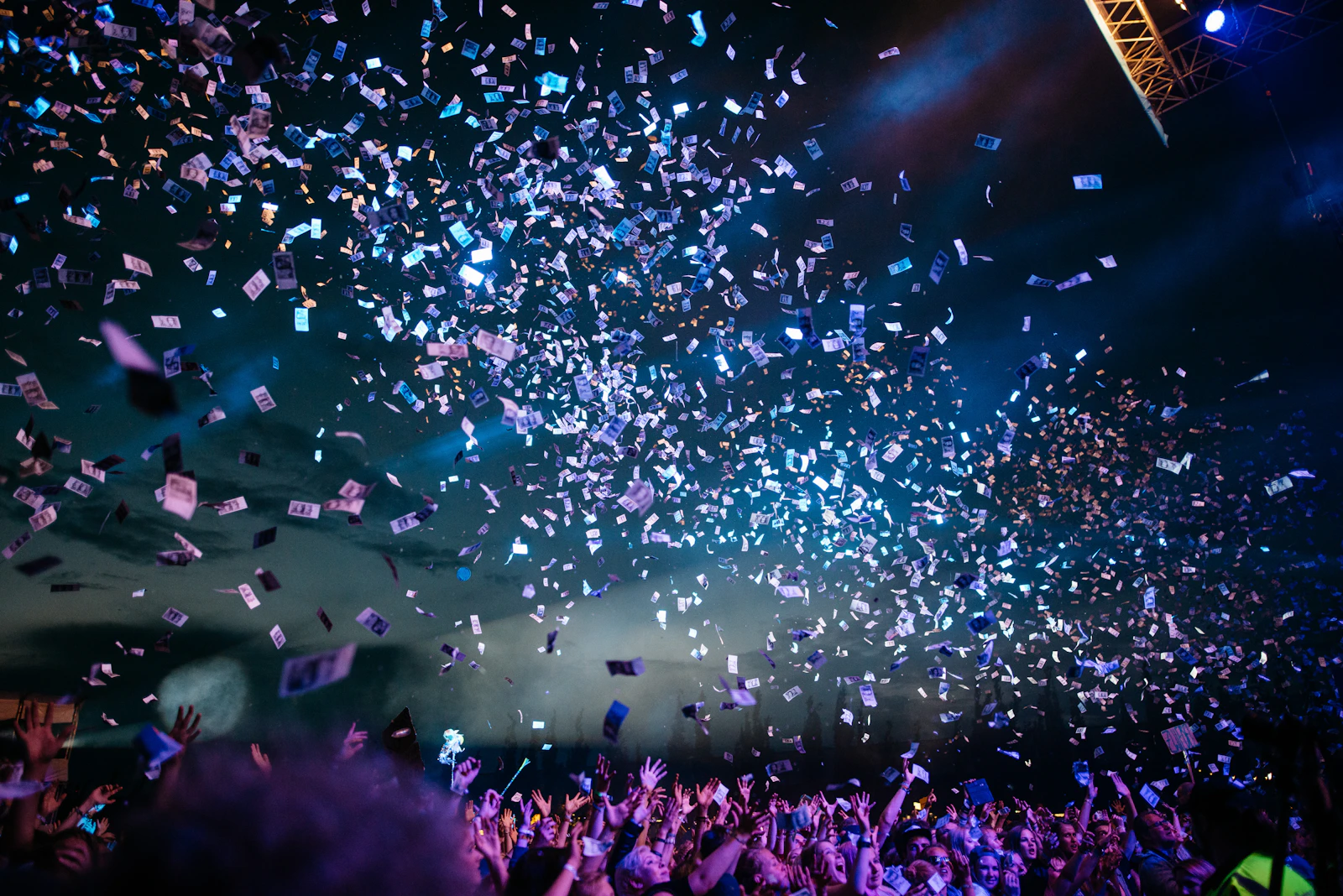
CineMind examines From Midnight Movies to TikTok Fandoms through movies, games, anime, streaming culture, fandom psychology, creator tools, trailers, lore, and viral entertainment, with practical signals, risks, examples, and a reason for readers to return as the story changes.

CineMind examines Esports Storylines That Feel Like Prestige TV through movies, games, anime, streaming culture, fandom psychology, creator tools, trailers, lore, and viral entertainment, with practical signals, risks, examples, and a reason for readers to return as the story changes.

CineMind examines The Trailer Moment That Turns Fans Into Marketers through movies, games, anime, streaming culture, fandom psychology, creator tools, trailers, lore, and viral entertainment, with practical signals, risks, examples, and a reason for readers to return as the story changes.

From Seattle’s goal-line interception to the NBA draft pick that launched a dynasty elsewhere, sports history is packed with choices that look absurd in the replay booth. Here’s how creators can unpack them without losing the context, the crowd, or the plot twist.