The First Things to Know About Culture, Explained: The Invisible Script Behind What We Watch, Play and Share
A newcomer’s map to the memes, fandoms, rituals and remix engines that turn entertainment into shared meaning.
 Hana BergDesign critic
First published 9/20/2026 · monitored for updates; the next revision publishes a new version and appears here. Reader corrections are reviewed and folded into future versions.
Summary
Culture is the shared operating system behind what audiences love, quote, remix, reject and pass along. In CineMind territory, it connects a sold-out anime premiere, a Twitch chat ritual, a game mod, a fancam and a joke that escapes its original movie. This primer explains how stories become symbols, how communities build meaning around them, and why creators participate in culture rather than simply ‘making content.’ Start here, and the internet’s apparent chaos begins to look like a giant collaborative writers’ room.
Key takeaways
- Culture is shared meaning expressed through stories, symbols, habits, language and taste.
- Pop culture is not merely ‘popular stuff’; it is an arena where audiences debate identity, status and belonging.
- Platforms shape culture through recommendation systems, formats, moderation and monetization—not just by hosting uploads.
- Fandom turns spectators into participants through theories, edits, cosplay, fan fiction, mods and collective rituals.
- A meme works because people recognize its template and understand how a new variation changes the joke.
- Subcultures create their own codes, but successful ideas can travel into the mainstream and lose their original context.
- Creators earn trust by learning a community’s history before borrowing its language or aesthetics.
- Metrics reveal attention, not the full meaning or long-term value of a cultural moment.
Explain like I'm 5
Imagine everyone is building one enormous LEGO city. Movies, games, songs, streams and anime supply new bricks, while audiences decide what to build: jokes, costumes, theories, slang, reaction videos and friendships. The city has no single architect, and older pieces are constantly reused in surprising ways. That shared city is culture. You enter it whenever you quote Shrek, recognize the Triforce, avoid spoilers, type an emote at exactly the right moment or understand why a soundtrack cue matters. You do not need to know every reference. You learn culture by watching what people repeat, asking what it means, and noticing who gets included—or excluded—when they repeat it.
Deep dive
Culture is the meaning around the media
A film is a produced object; culture is what happens around and through it. Barbie and Oppenheimer opened on the same weekend in July 2023, but ‘Barbenheimer’ became a cultural event because audiences combined two radically different movies into outfits, memes and double-feature rituals. The studios supplied the films. Viewers supplied an unofficial holiday. Culture includes artifacts—films, games, videos and songs—but also practices such as live-chat etiquette, spoiler warnings and midnight launches. It contains values: what a community praises, mocks or refuses. It contains symbols, from Superman’s shield to the Among Us crewmate. Most importantly, it is learned socially. Nobody is born knowing why pressing F can mean paying respects; people encounter the reference, copy it and gradually understand its use.
From audience to co-author
Mass media once encouraged a relatively simple picture: a studio transmitted a work, and a large audience received it. That model never captured the whole story—Star Trek fans organized letter-writing campaigns in the 1960s—but networked platforms made participation impossible to overlook. Henry Jenkins called this ‘participatory culture’: communities do not merely consume media; they create, circulate and interpret it. A fan might watch an anime episode, post a subtitled clip, debate the adaptation, draw fan art and make a video essay before the next episode arrives. Minecraft players construct worlds and distribute mods. Speedrunners transform finishing a game into a rule-governed performance, with communities verifying records. Reaction creators add facial performance and commentary to existing media. These activities create cultural value, although ownership and revenue often remain concentrated with platforms and rights holders.
How a moment travels
Cultural circulation usually requires three ingredients: a recognizable object, an emotion worth sharing and a format others can repeat. The ‘Distracted Boyfriend’ stock photograph became a meme because its three figures could represent endless conflicts. Wednesday’s dance sequence traveled because it was visually distinctive, short enough to imitate and compatible with TikTok’s music-and-challenge grammar. Algorithms accelerate this process, but they do not manufacture meaning from nothing. YouTube recommendations, TikTok’s For You feed and Twitch raids determine visibility by sorting content according to proprietary signals. Communities then supply interpretation: ironic, sincere, nostalgic, political or absurd. Context can collapse when a joke moves between groups. A phrase used affectionately inside a fandom may sound hostile outside it; an aesthetic may spread while its originators disappear from the story.
Taste, identity and power
Saying ‘I love horror games’ communicates more than a purchasing preference. Taste can signal age, experience, values and desired belonging. Fans sort themselves through labels—casual, hardcore, stan, cinephile—then negotiate who qualifies. Gatekeeping appears when members use knowledge or identity tests to control entry. Healthy communities can value expertise without treating newcomers as intruders. Power matters because not everyone can distribute stories at equal scale. Disney, Nintendo and Netflix command intellectual property, marketing budgets and global reach. Creators may command intimate audience trust. Fans command collective attention, but individual fans possess limited bargaining power. Moderators quietly shape all three by enforcing boundaries. Asking ‘Who made this, who amplified it, who profits, and who is missing?’ reveals the machinery beneath a trend.
A practical newcomer’s viewing method
When encountering an unfamiliar phenomenon, begin with the artifact: watch the original scene, stream or video rather than relying only on reposts. Next, map the community. Where does discussion occur—Reddit, Discord, TikTok, YouTube comments, Twitch or a convention floor? Observe recurring words, creators and rules. Then trace the lineage. Fortnite dances, for example, connect platform performance, music marketing and dance traditions whose original choreographers have not always received equivalent credit. Finally, participate proportionately. Credit sources, link to originators, label spoilers and distinguish admiration from entitlement. If you create, add interpretation rather than copying surface aesthetics. A strong video essay may connect a game mechanic to player emotion; a weak trend-chase merely repeats the costume. Cultural fluency is not encyclopedic recall. It is the ability to notice context, respect communities and contribute something legible, generous and new.
- 1895The Lumière brothers’ paid Paris screening helps establish cinema as a shared public spectacle.
- 1927The Jazz Singer accelerates Hollywood’s transition to synchronized sound, changing performance and moviegoing.
- 1967Star Trek fans reportedly help secure another season through an organized letter-writing campaign.
- 1977Star Wars expands blockbuster fandom through sequels, toys, conventions and an instantly reusable mythology.
- 1985Nintendo’s NES launches widely in North America, helping video games return to mainstream household culture.
- 1991The World Wide Web becomes publicly available, laying infrastructure for networked fan communities.
- 2005YouTube launches, lowering barriers to global video publishing, commentary and remix.
- 2011Twitch launches, turning live gameplay, chat and creator-audience interaction into a major entertainment form.
- 2020TikTok’s global surge popularizes an algorithm-led culture of sounds, duets, challenges and rapid remix.
- 2023Barbenheimer demonstrates how audiences can fuse competing studio releases into one participatory event.
FAQs
What is the simplest definition of culture?+
Culture is the shared meaning a group creates through stories, symbols, language, habits and values. It includes both things people make and the unwritten rules governing how those things are understood.
Is pop culture less important than ‘high culture’?+
No objective ladder settles that question. Anime, horror films, hip-hop, prestige television and museum art can all reveal social values; the labels often reflect institutions, class and historical power as much as artistic quality.
What is a fandom?+
A fandom is a community organized around sustained affection for a work, genre, creator or celebrity. Members may develop shared language, archives, theories, art, events and arguments that outlive the original release cycle.
Are memes part of culture?+
Yes. Memes are repeatable units—often images, phrases, sounds or gestures—that people alter while preserving a recognizable pattern. Their variations show how groups communicate mood, identity and commentary at speed.
Do algorithms create trends?+
Algorithms can accelerate, suppress or repeatedly surface material, but people still attach meaning to it. A platform’s design affects which behaviors are rewarded, so trends emerge from interaction among users, creators, commercial incentives and automated ranking.
What is cultural appropriation?+
The term usually describes taking elements from a culture—especially a marginalized one—without adequate context, respect, permission or benefit to its members. The ethical questions include power, credit, stereotyping and who profits.
How can I join a fandom without looking fake?+
Begin with curiosity rather than a performance of expertise. Read community rules, credit discoveries, accept correction and avoid treating longtime members as a free research department.
Does a viral hit have lasting cultural value?+
Sometimes, but virality measures rapid circulation rather than durability. A work lasts when communities keep finding uses for it, institutions preserve it, or later creators transform its language.
Predictions
- Generative AI will likely make remixing faster, while disputes over consent, training data, likeness and authorship become central fandom issues.
- Synthetic performers and virtual creators may gain visibility, but audiences will probably continue rewarding signs of human presence, consistency and accountability.
- Fandoms may spread further across private Discord servers, group chats and subscription communities as public platforms become noisier and more volatile.
- Games, film and livestreaming will likely converge through interactive premieres, creator co-streams and persistent story worlds rather than fully replacing one another.
- Cultural provenance—knowing who originated a dance, sound, visual style or joke—may become a more valuable layer of platform design and creator credibility.
Opportunities
- Translate complexity: beginner-friendly explainers, timelines and lore recaps can welcome audiences without flattening a community’s history.
- Design participation: polls, remix prompts, watch-alongs and fan showcases give audiences meaningful roles beyond clicking ‘like.’
- Serve overlooked niches: specific communities often reward informed coverage more deeply than broad audiences reward generic trend summaries.
- Preserve context: interviews, annotated clips and digital archives can document creators and fan practices before platforms or links disappear.
- Build ethical discovery tools: clear credits, source links, spoiler controls and transparent recommendations can turn trust into a durable creator advantage.
For professionals
For media professionals, culture is best analyzed as a system linking texts, audiences, technologies, institutions and political economy. A textual reading may explain how Parasite uses architecture to represent class, while reception analysis asks how different audiences interpreted it; platform analysis examines recommendation and interface; industrial analysis follows financing, distribution, labor and rights. No single layer explains why a work travels. Useful research therefore combines close reading with ethnography, social listening, search trends, audience interviews and revenue data—without confusing measurable activity with representative public opinion. Creators should distinguish reach, resonance and retention. Reach describes exposure; resonance appears in meaningful replies, remixes, quotes and community-specific adoption; retention describes whether people return. A million autoplay views may indicate less cultural force than a small scene that sustains conventions, fan works and vocabulary for years. Treat communities as stakeholders rather than extractable demographics: establish moderation norms, compensate collaborators, document provenance, secure permissions where needed, and plan for context collapse. The strategic question is not simply ‘Can this trend increase impressions?’ It is ‘What relationship, interpretation and downstream behavior will this contribution create?’
Sources & references
- UNESCO Universal Declaration on Cultural Diversity
- Convergence Culture: Where Old and New Media Collide — Henry Jenkins
- Participatory Culture in a Networked Era — Henry Jenkins, Mizuko Ito and danah boyd
- The Presentation of Self in Everyday Life — Erving Goffman
- Remix: Making Art and Commerce Thrive in the Hybrid Economy — Lawrence Lessig
- Digital Culture — T. L. Taylor, MIT Game Lab
- Fanlore: A Collaborative Fandom History Project
| Watching | Participating | Creating | |
|---|---|---|---|
| Typical action | Stream an anime episode | Debate theories or attend a watch-along | Publish an edit, essay, mod or fan work |
| Skill barrier | Low | Low to medium | Medium to high |
| Main value | Personal experience | Belonging and interpretation | Expression and contribution |
| Common platform | Cinema, TV or streaming app | Discord, Reddit, Twitch chat | YouTube, TikTok, itch.io |
| Primary friction | Discovery and access | Norms, spoilers and gatekeeping | Time, rights, tools and attribution |
| Best first step | Find the original work | Read rules and observe context | Credit sources and add a distinct idea |

Turn cuts, camera moves, sound cues, and mise-en-scène into playable discoveries—then use the results to make sharper videos, streams, games, and fandom conversations.

Why one frozen image can make a viewer feel danger, curiosity, nostalgia, or FOMO—and how creators can turn that split-second reaction into an honest click.
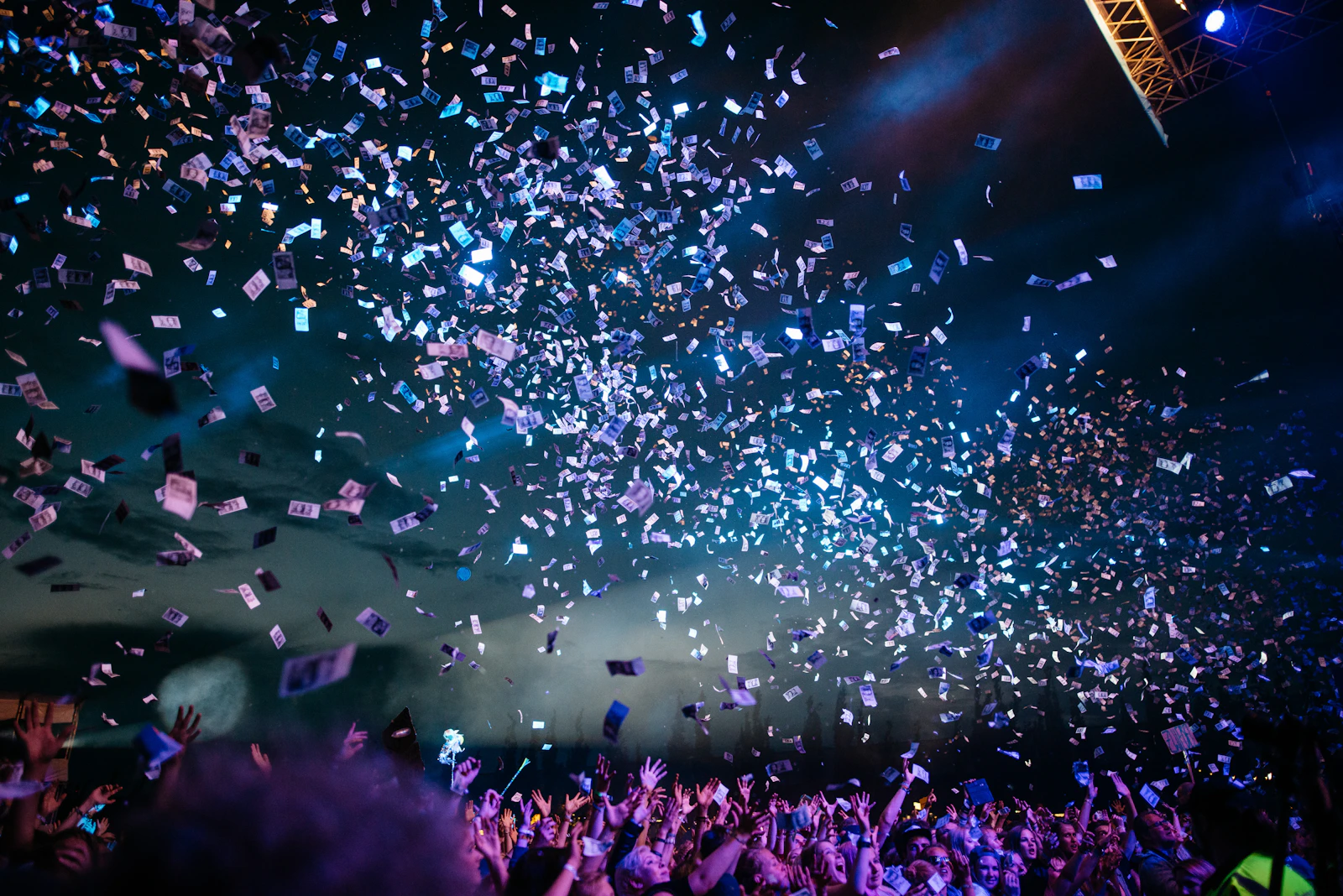
Cult entertainment once gathered after dark in sticky-floor theaters. Now it erupts through edits, reaction streams, fancams, memes, mods, and algorithmic rabbit holes—turning audiences into performers, distributors, archivists, and sometimes co-authors.

Dynasties, betrayals, miracle runs, villain edits, redemption arcs: competitive gaming has become a global story engine where the audience helps write the script.

A single reveal, needle drop, reaction face, or impossible shot can transform a trailer from an advertisement into raw material for millions of fan-made posts. Here is how creators engineer—and communities amplify—the moment everyone has to share.

From Seattle’s goal-line interception to the NBA draft pick that launched a dynasty elsewhere, sports history is packed with choices that look absurd in the replay booth. Here’s how creators can unpack them without losing the context, the crowd, or the plot twist.
From our own rounds
Measured on CineMind, from real sessions people played on this site — not a third-party dataset.
- Rounds played here
- 10
- Questions per round
- 1
Most-played topics right now: AI (2), Streamers (1), Cartoons (1).
Play a round and add to these numbers