Travel Daily Signal: Creator & Fan Guide — Jul 25, 2026
A practical field manual for transforming travel updates into cinematic stories, interactive livestreams, fandom rituals, and replayable content—without sacrificing safety or authenticity.
 Felix BeaumontEditor-in-chief
First published 7/25/2026 · last revised 8/6/2026 with fresh sources, corrections, and new context. Reader corrections are reviewed and folded into future versions.
Summary
A travel daily signal is the recurring update that tells an audience where a creator’s journey stands and why today matters. It might be a sunrise Short from Tokyo, a livestream outside a game convention, an anime-location photo dump, or a Discord dispatch from a film festival. Unlike a generic travel diary, the signal has a recognizable rhythm, narrative purpose, and invitation to participate. This guide explains how creators can build that format using story arcs, platform-native tools, fan psychology, moderation, accessibility, and location safety. The goal is not nonstop broadcasting. It is to make each update feel like the next scene in a shared adventure—while delaying sensitive details, protecting bystanders, and preserving enough mystery to keep the audience watching.
Key takeaways
- Treat each travel update as a scene with a hook, change, and forward-looking question—not a chronological data dump.
- Create a repeatable signal: consistent title, visual cue, posting window, or fan prompt that audiences can recognize instantly.
- Never reveal a creator’s precise live location, hotel, route, room number, boarding pass, or unattended home status.
- Use participation ladders: begin with polls and emoji reactions, then offer puzzles, watch-alongs, fan art prompts, or community missions.
- Match formats to platforms: Shorts and TikTok for discovery, livestreams for presence, YouTube episodes for payoff, and Discord for continuity.
- Build around transformation. The strongest story is not ‘I went somewhere’; it is ‘this place changed what I understood, made, or attempted.’
- Measure returning viewers, completion, comments, saves, and community participation—not views alone.
- Plan moderation, captions, battery power, connectivity, music rights, permits, and backup footage before the journey starts.
Explain like I'm 5
Imagine your favorite hero sends the team one message every day during a quest. Each message shows a cool place, reveals one useful clue, and lets the team vote on what the hero should investigate next. That message is the travel daily signal. For creators, the ‘quest’ could be visiting Studio Ghibli-inspired landscapes, hunting retro arcades, covering Gamescom, or tracing a movie’s filming locations. Fans do not need every meal and train ride. They need one memorable moment, one piece of progress, and one reason to return tomorrow. The creator stays in charge of the story—and posts locations only after leaving them.
Deep dive
The Signal Is a Bat-Signal, Not a Travel Log
A travel daily signal is a compact, recurring story unit sent from a journey to an audience. Think of it as the glowing quest marker connecting scattered posts. Casey Neistat’s daily-vlog grammar, IRL livestreaming, convention recaps, and location-hunt videos all supply pieces of the format, but the signal is less about volume than recognition. Give it a repeatable name—‘Tokyo Quest Log,’ ‘Festival Transmission,’ or ‘Arcade Save Point’—plus a visual sting, sound cue, or opening question. Then deliver three beats: what changed, what it means, and what happens next. ‘We visited Akihabara’ is a fact. ‘We found a 1990s cabinet that rewrote our video-game history—and tomorrow you choose the next district’ is a signal.
Build a Season, Not an Endless Feed
Plan the trip like a limited series. The trailer establishes the mission and stakes. Early episodes teach the rules. The midpoint complicates the goal. The finale delivers a reveal, performance, ranking, collectible, or completed fan challenge. A creator visiting New Zealand film locations might begin with a map and costume constraint, encounter weather or access problems, compare screen geography with reality, and end with a fan-voted short film. Every post should change the board. Use open loops honestly: preview a real unresolved question rather than manufacturing fake danger. Capture establishing shots, environmental sound, close details, reaction footage, and a clean recap. That modular footage can become vertical clips, a long-form episode, thumbnails, GIFs, and an end-of-season montage.
Turn Spectators Into the Party
Participation works because fans enjoy agency, recognition, belonging, and collective problem-solving. Start with low-friction choices: ‘Arcade or anime museum?’ Then escalate to prediction brackets, trivia, geocache-style riddles that do not expose current locations, cosplay prompts, fan-art spotlights, or community-made subtitles. Preserve editorial control by offering bounded choices rather than outsourcing the entire itinerary. A useful ladder has four levels: react, choose, create, collaborate. Reward contribution with credits, badges, on-screen names, Discord roles, or a finale gallery—not manipulative spending pressure. Publish rules and deadlines, obtain permission before featuring submissions, and never encourage fans to swarm a live location. The fantasy is a shared quest; the responsibility remains real.
Engineer for Each Screen
One journey should not become identical uploads everywhere. TikTok, Reels, and Shorts need an immediate image or claim, readable captions, and a payoff within a tight runtime. YouTube long-form can hold research, setbacks, comparisons, and emotional resolution. Livestreams create presence but demand moderators, stable connectivity, latency awareness, and an emergency cutoff. Discord, Patreon, or channel memberships can host maps with delayed pins, production notes, polls, and aftershows. Build a lightweight field kit: phone or compact camera, wind-protected microphone, power bank, local data option, offline maps, small tripod, release-form workflow, and redundant storage. Record a 30-second safety recap and a neutral backup segment each day; either can rescue a broken upload schedule.
Protect the Human Behind the Avatar
Live location disclosure can enable stalking, crowding, theft, or harassment. Delay posts until departure, strip photo metadata when appropriate, blur tickets and addresses, avoid naming hotels, and inspect reflective surfaces for accidental reveals. Do not show minors or identifiable bystanders without suitable consent, and research local rules for filming, drones, commercial permits, museums, sacred sites, and copyrighted performances. Music playing in a café can trigger platform claims even when it was incidental. Establish moderator escalation levels: remove spam, timeout disruption, ban threats, preserve evidence, and contact venue security or emergency services when necessary. A public itinerary should communicate story beats, not operational details.
Measure the Afterglow
A viral clip can introduce the expedition, but loyalty appears in returning viewers and repeated participation. Track completion rate, average view duration, returning-viewer share, saves, meaningful comments, poll turnout, fan creations, livestream concurrency, and movement from short-form discovery to long-form payoff. Label links with UTM parameters and compare episodes by premise, hook, and participation mechanic. After the finale, publish a debrief: what fans changed, what failed, what the creator learned, and where the community goes next. Archive the season in a playlist or hub so newcomers can binge it in order. The best signal does more than announce a location—it makes an audience feel that they traveled through a story together.
- 2005YouTube launches, making episodic travel video distributable without television gatekeepers.
- 2007Justin.tv popularizes continuous personal livestreaming, an important ancestor of modern IRL streams.
- 2011Twitch launches as a gaming-focused platform and later expands into Creative and IRL-style categories.
- 2015Periscope and Facebook Live accelerate mobile, location-based broadcasting to mass audiences.
- 2016Casey Neistat ends his famous daily-vlog run after 534 consecutive days, cementing a cinematic template for recurring creator updates.
- 2018TikTok’s international rise pushes travel storytelling toward vertical video, rapid hooks, trends, and remixable audio.
- 2020Pandemic restrictions normalize virtual tours, remote conventions, watch-alongs, and chat-led audience participation.
- 2021YouTube Shorts launches globally, giving creators another discovery layer for journeys documented in long-form video.
- 2023–2026AI-assisted captions, translation, clipping, and planning make multilingual, multi-format travel coverage easier while increasing disclosure and authenticity concerns.
Glossary
- Travel daily signal
- A recognizable, recurring update that communicates a journey’s progress, meaning, and next audience invitation.
- Open loop
- An unresolved story question that motivates viewers to return for a genuine future payoff.
- IRL streaming
- Live broadcasting from real-world settings rather than a studio or game-only feed.
- Participation ladder
- A sequence that moves fans from simple reactions to choices, creations, and deeper collaboration.
- Delayed geotagging
- Publishing location information only after the creator has safely left the place.
- Content atomization
- Turning one production session into multiple assets, such as Shorts, episodes, stills, podcasts, and posts.
- Parasocial relationship
- A one-sided sense of familiarity audiences may form with a public figure or fictional persona.
- Stream sniping
- Using a live broadcast’s information to locate, interrupt, target, or gain an unfair advantage over a streamer.
- UGC
- User-generated content, including fan art, reactions, edits, memes, reviews, and challenge entries.
- UTM parameter
- A tag added to a link so analytics tools can identify the campaign or post that generated traffic.
FAQs
Does a travel daily signal have to be published every day?+
No. ‘Daily’ describes a regular pulse, not an obligation to post every 24 hours. A reliable three-times-weekly cadence is better than exhausted, unsafe filler.
Should creators livestream their exact location?+
Usually not. Use delayed broadcasts, broad area labels, venue-approved controlled zones, and moderators. Publish precise locations only after leaving, if publishing them is necessary at all.
What is the best format for a signal?+
A strong default is a 30–90 second vertical update with one striking image, one meaningful development, and one question. Pair it with periodic long-form episodes for context and payoff.
How can fans influence a trip without causing chaos?+
Offer bounded votes between pre-vetted options. Set voting windows, costs, accessibility checks, and safety limits before inviting participation.
Can fan submissions appear in monetized videos?+
Only with clear permission and platform-appropriate terms. Explain where the work may appear, how credit works, and whether compensation is offered. Minors require additional care and guardian consent.
How should creators handle copyrighted music in public places?+
Monitor ambient sound, record clean narration, carry a directional microphone, and replace or mute problematic audio during editing. Platform music libraries do not automatically license every use across every service.
Which metrics matter most?+
Prioritize returning viewers, retention, completion, meaningful comments, saves, poll participation, fan creations, and conversion from short clips to full episodes.
What if connectivity fails?+
Capture locally, keep offline maps, carry multiple power and data options, and prepare a location-neutral backup post. A missed livestream can become a better edited chapter.
How much should a creator reveal about setbacks?+
Share obstacles that serve the story, but avoid exposing security procedures, private companions, sensitive documents, or emotionally raw moments before informed consent is possible.
Predictions
- Real-time captions and translation will let one expedition serve multilingual fandoms, with human review remaining essential for names, jokes, and cultural context.
- Interactive video will merge polls, branching recaps, maps, inventories, and collectible digital rewards into quest-like travel seasons.
- Audiences will demand clearer labels for AI-generated establishing shots, synthetic voices, reconstructed scenes, and altered backgrounds.
- Creator teams will increasingly hire dedicated safety producers and community moderators for conventions, premieres, and high-visibility IRL streams.
- Smaller fandom trips—retro-game hunts, anime pilgrimages, horror-location tours, and practical-effects workshops—will outperform generic destination lists through stronger identity.
- Delayed-live formats will become standard: footage will feel immediate while publishing minutes or hours later to reduce location exposure.
- Fan co-creation will shift from disposable polls toward credited research, subtitling, accessibility notes, local expertise, and finale assets.
Risks
- Doxxing, stalking, stream sniping, and crowd formation caused by live landmarks, reflections, transit clues, or leaked itineraries.
- Burnout from forcing daily uploads while crossing time zones, managing logistics, and performing constant enthusiasm.
- Bystander, child, and companion privacy violations—especially where local consent expectations or laws differ.
- Copyright claims involving music, film clips, game footage, artwork, performances, or fan submissions used without adequate permission.
- Cultural harm from treating sacred sites, memorials, neighborhoods, or working communities as entertainment sets.
- Manipulative parasocial tactics, including implying that purchases guarantee intimacy, access, or control over a creator’s choices.
- Platform dependence: algorithm changes, demonetization, age restrictions, or account loss can sever the journey from its audience.
- Synthetic or over-edited footage can damage trust when viewers cannot distinguish documentation from fabrication.
Opportunities
- Design themed seasons around film locations, game-development history, anime pilgrimages, practical effects, arcades, festivals, or regional fan scenes.
- Partner with museums, conventions, indie cinemas, tourism boards, accessibility experts, and local creators while retaining transparent editorial independence.
- Turn audience research into on-screen value by inviting local fans to recommend history, etiquette, food, games, and overlooked creative communities.
- Create an accessible content stack with captions, transcripts, audio description, high-contrast graphics, and translated summaries.
- Package reusable assets: a long-form documentary, vertical discovery clips, podcast diary, photo essay, map, newsletter, and behind-the-scenes course.
- Develop ethical revenue through clearly disclosed sponsorships, memberships, digital field guides, licensed merch, screenings, or season compilations.
- Use post-trip archives as evergreen discovery hubs that organize episodes, sources, corrections, fan creations, and practical visitor guidance.
| Pressure | Opening | |
|---|---|---|
| #1 | Doxxing, stalking, stream sniping, and crowd formation caused by live landmarks, reflections, transit clues, or leaked itineraries. | Design themed seasons around film locations, game-development history, anime pilgrimages, practical effects, arcades, festivals, or regional fan scenes. |
| #2 | Burnout from forcing daily uploads while crossing time zones, managing logistics, and performing constant enthusiasm. | Partner with museums, conventions, indie cinemas, tourism boards, accessibility experts, and local creators while retaining transparent editorial independence. |
| #3 | Bystander, child, and companion privacy violations—especially where local consent expectations or laws differ. | Turn audience research into on-screen value by inviting local fans to recommend history, etiquette, food, games, and overlooked creative communities. |
| #4 | Copyright claims involving music, film clips, game footage, artwork, performances, or fan submissions used without adequate permission. | Create an accessible content stack with captions, transcripts, audio description, high-contrast graphics, and translated summaries. |
| #5 | Cultural harm from treating sacred sites, memorials, neighborhoods, or working communities as entertainment sets. | Package reusable assets: a long-form documentary, vertical discovery clips, podcast diary, photo essay, map, newsletter, and behind-the-scenes course. |
For professionals
Run the travel signal like a compact production, not an improvised vacation. Before departure, write a one-page season bible covering premise, audience promise, episode beats, visual language, participation rules, deliverables, sponsor boundaries, and finale. Create a risk register for transport, weather, health, connectivity, equipment, harassment, rights, and local filming restrictions. Assign clear roles—even if one person holds several: host, producer, camera, editor, moderator, safety contact, and rights manager. Build an escalation sheet with venue security numbers, emergency contacts, code words, account recovery details, and a rule that any team member may stop filming. Keep private and public itineraries separate. Log releases and licenses; back up media to two locations; caption every major upload; disclose sponsorships clearly under FTC guidance when U.S. audiences are involved. After each post, record premise, runtime, hook, retention, comments, risks, and reusable footage. Conduct a final retrospective within seven days of returning. The professional advantage is not expensive gear—it is dependable storytelling, documented consent, honest disclosure, and a system that protects the crew when the feed gets loud.
Sources & references

CineMind examines Teaching Film Language Through Interactive Quizzes through movies, games, anime, streaming culture, fandom psychology, creator tools, trailers, lore, and viral entertainment, with practical signals, risks, examples, and a reason for readers to return as the story changes.

CineMind examines Thumbnail Psychology for Movie and Game Creators through movies, games, anime, streaming culture, fandom psychology, creator tools, trailers, lore, and viral entertainment, with practical signals, risks, examples, and a reason for readers to return as the story changes.
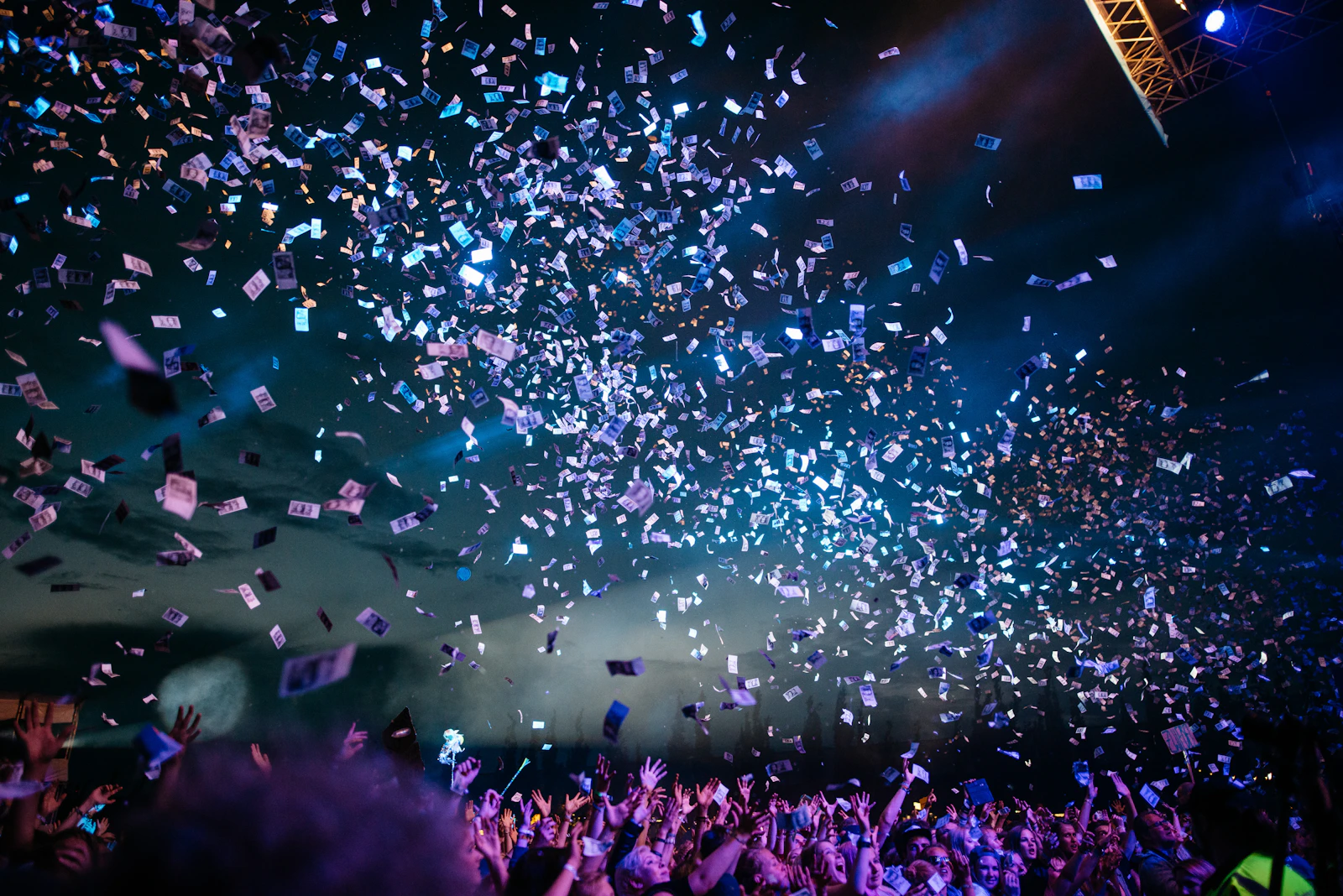
CineMind examines From Midnight Movies to TikTok Fandoms through movies, games, anime, streaming culture, fandom psychology, creator tools, trailers, lore, and viral entertainment, with practical signals, risks, examples, and a reason for readers to return as the story changes.

CineMind examines Esports Storylines That Feel Like Prestige TV through movies, games, anime, streaming culture, fandom psychology, creator tools, trailers, lore, and viral entertainment, with practical signals, risks, examples, and a reason for readers to return as the story changes.

CineMind examines The Trailer Moment That Turns Fans Into Marketers through movies, games, anime, streaming culture, fandom psychology, creator tools, trailers, lore, and viral entertainment, with practical signals, risks, examples, and a reason for readers to return as the story changes.

From Seattle’s goal-line interception to the NBA draft pick that launched a dynasty elsewhere, sports history is packed with choices that look absurd in the replay booth. Here’s how creators can unpack them without losing the context, the crowd, or the plot twist.